
Tax Sales and Sheriff Sales in California
California counties do not sell tax liens; once property has been tax-defaulted for five years (three years for certain commercial, nuisance-lien or public-benefit parcels) the county tax collector gains the power to sell it and auctions it to the highest bidder, with the buyer receiving a tax deed. The owner can redeem or start an installment plan up to the close of business on the last business day before the sale, but has no right of redemption afterward. Former owners may claim excess proceeds above the taxes and costs within one year of the deed's recording.
- Sale type
- Tax deeds
- Redemption
- Until the sale
- Run by
- County tax collector
- How it sells
- Tax deeds
- Buyer earns
- No interest; the buyer gets the property
- Redemption
- Until close of business on the last business day before the sale begins (Rev. & Tax. Code § 3707); none after the sale (a one-year window exists only to challenge the sale's validity and to claim excess proceeds)
- Run by
- County tax collector (treasurer-tax collector), with State Controller approval of the sale
- When
- Varies by county; many hold one or two sales a year, often in spring, and must attempt a sale within four years of the power to sell arising
- Statute
- Cal. Rev. & Tax. Code §§ 3691–3731 (sale of tax-defaulted property); §§ 4101 et seq. (redemption)
How tax sales work in California
California sells the property itself: the buyer gets a deed, and the owner's chance to pay ends at or before the sale.
What the buyer gets. The property itself, by deed from the County tax collector, with no interest to collect and no owner to wait out once the sale is final.
Redemption. Until close of business on the last business day before the sale begins (Rev. & Tax. Code § 3707); none after the sale (a one-year window exists only to challenge the sale's validity and to claim excess proceeds).
When and where the sales are held
Who runs them: County tax collector (treasurer-tax collector), with State Controller approval of the sale.
When: Varies by county; many hold one or two sales a year, often in spring, and must attempt a sale within four years of the power to sell arising.
Where: Public auction, sealed bid or online; the State Controller notes many counties run their auctions on Bid4Assets, while others sell in person at county offices.
The list of parcels for each sale is published by the office that runs it, usually a few weeks ahead, in the county's legal newspaper and on the county or platform site. UX Search does not list tax sale parcels; these sales are run by the counties and the platforms they contract, and the links on this page go to the official sources.
Sheriff sales and foreclosure sales in California
California mortgage foreclosures are almost always non-judicial trustee's sales under Civil Code § 2924 et seq.: the trustee records a notice of default, then (90 days later) a notice of sale that is published for three weeks and posted, and sells at public auction. There is no right of redemption after a trustee's sale. Judicial foreclosure with a sheriff's sale is rare; it carries a three-month redemption period if no deficiency is sought or one year if it is (Code Civ. Proc. § 729.030).
A tax sale and a sheriff sale are different animals even when the same office runs both. A tax sale clears unpaid property taxes and in most states wipes out junior liens; a mortgage foreclosure sale pays the lender and may leave tax liens in place. Before bidding at either, pull the title, read the judgment or the tax certificate, and know which liens survive the sale in California.
Official sources for California
- State Controller – Public Auctions and Bidder Information
- State Controller – County Tax Collectors' Reference Manual, Ch. 9 (power to sell)
- Rev. & Tax. Code § 3707 – termination of right of redemption
Statute: Cal. Rev. & Tax. Code §§ 3691–3731 (sale of tax-defaulted property); §§ 4101 et seq. (redemption).
Questions people ask
Does California sell tax liens or tax deeds?
California sells the property itself: the buyer gets a deed, and the owner's chance to pay ends at or before the sale. California counties do not sell tax liens; once property has been tax-defaulted for five years (three years for certain commercial, nuisance-lien or public-benefit parcels) the county tax collector gains the power to sell it and auctions it to the highest bidder, with the buyer receiving a tax deed. The owner can redeem or start an installment plan up to the close of business on the last business day before the sale, but has no right of redemption afterward. Former owners may claim excess proceeds above the taxes and costs within one year of the deed's recording.
How long is the redemption period after a tax sale in California?
Until close of business on the last business day before the sale begins (Rev. & Tax. Code § 3707); none after the sale (a one-year window exists only to challenge the sale's validity and to claim excess proceeds)
Who runs tax sales in California?
County tax collector (treasurer-tax collector), with State Controller approval of the sale. Public auction, sealed bid or online; the State Controller notes many counties run their auctions on Bid4Assets, while others sell in person at county offices
When are tax sales held in California?
Varies by county; many hold one or two sales a year, often in spring, and must attempt a sale within four years of the power to sell arising
Are sheriff sales in California judicial?
California mortgage foreclosures are almost always non-judicial trustee's sales under Civil Code § 2924 et seq.: the trustee records a notice of default, then (90 days later) a notice of sale that is published for three weeks and posted, and sells at public auction. There is no right of redemption after a trustee's sale. Judicial foreclosure with a sheriff's sale is rare; it carries a three-month redemption period if no deficiency is sought or one year if it is (Code Civ. Proc. § 729.030).
Can anyone bid at a tax sale or sheriff sale in California?
Generally yes, with registration through the office or platform that runs the sale, and often a deposit or proof of funds. Payment is usually due the same day or within a few days in certified funds, and the property is sold as is with whatever title questions come with it. Read the county's terms for the sale you are bidding in; they differ from one county to the next in the same state.
Written from the California statutes and official county pages, last checked October 28, 2026. Rules change by session and by county; the official sources above control. UX Search is independent, lists no tax sale parcels and never takes a bid.
Read the story
UX Auctions →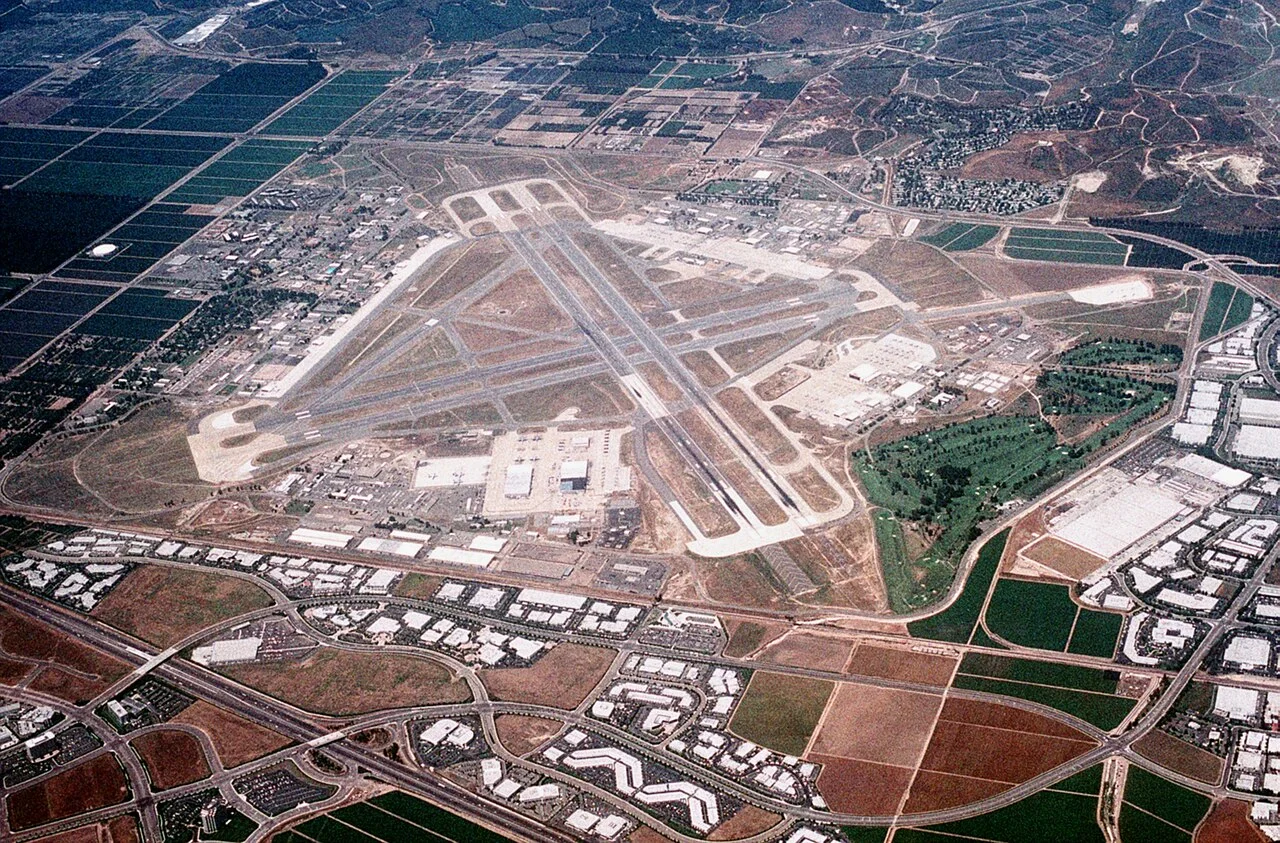 The Day Uncle Sam Auctioned an Entire Marine Corps Air Station for $649.5 MillionIn 2005, the Navy sold 3,718 acres of the former Marine Corps Air Station El Toro in an online auction for $649.5 million. Here is how one of the biggest government auctions in history came together.UX Auctions · Oct 15, 2026
What land really sold for
Price Report →Closed sales with the real hammer price, from the UX sold archive.


